



When was your home last tested?
Radon exposure happens over years. Testing gives you a baseline so you can make a clear decision about your home.
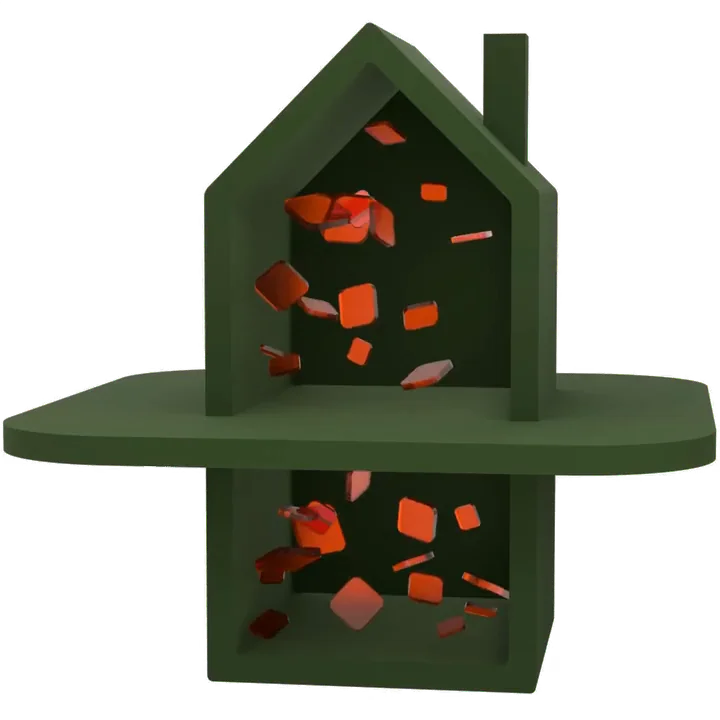
Why testing matters
A test shows exactly where your home stands, so every decision you make is an informed one.
What affects levels
Soil, weather, construction and airflow all change radon levels. Levels are often higher in colder months when homes are closed up, and neighboring homes can read very differently.
When to test
- If you never have
- Every two years
- After renovations or a new heating system
- When buying or selling
- After a mitigation system is installed
How a test works
- 01
Book
Send an inquiry or call. Wingreen confirms a date and sends closed-house instructions.
- 02
Place
A calibrated continuous monitor goes in the lowest lived-in level of the home.
- 03
Measure
The monitor runs for at least 48 hours under closed-house conditions.
- 04
Report
Your report is posted to your portal, usually 3–5 business days after pickup.
Test types
A 48-hour minimum test. The fastest way to know your level.
Ninety days or more, for a better picture of your year-round average.
Scheduled around your closing timeline, with a report for both parties.
Confirms your new system is doing its job.
Testing questions
How long does a test take?
What does closed-house mean?
- Windows closed on every level of the home, including rooms not being tested.
- Outside doors closed, except for normal coming and going.
- Heating or cooling running at normal settings, between 65 and 80 °F.
- Systems that bring in outdoor air set to their lowest seasonal setting, and whole-house fans off.
- Fireplaces unused, unless one is the main source of heat.
- Clothes dryers, range hoods and bathroom fans used sparingly.
Can I move the monitor during a test?
Where is the monitor placed?
Do I need to be home for the visit?
How often should I test?
Schedule today
Breathe easier at home. Share a few details about your house and Wingreen will set up a time that works for you.